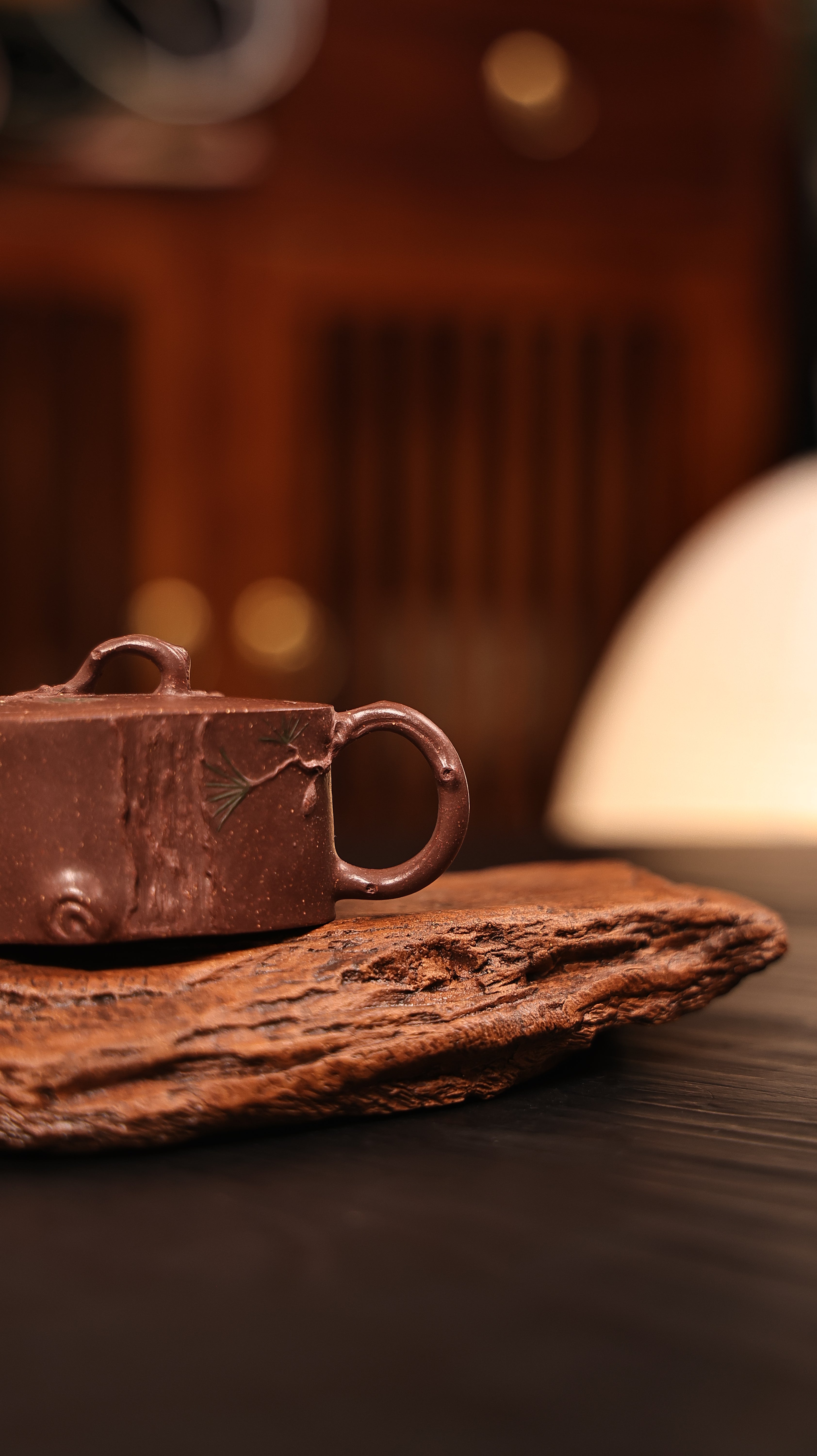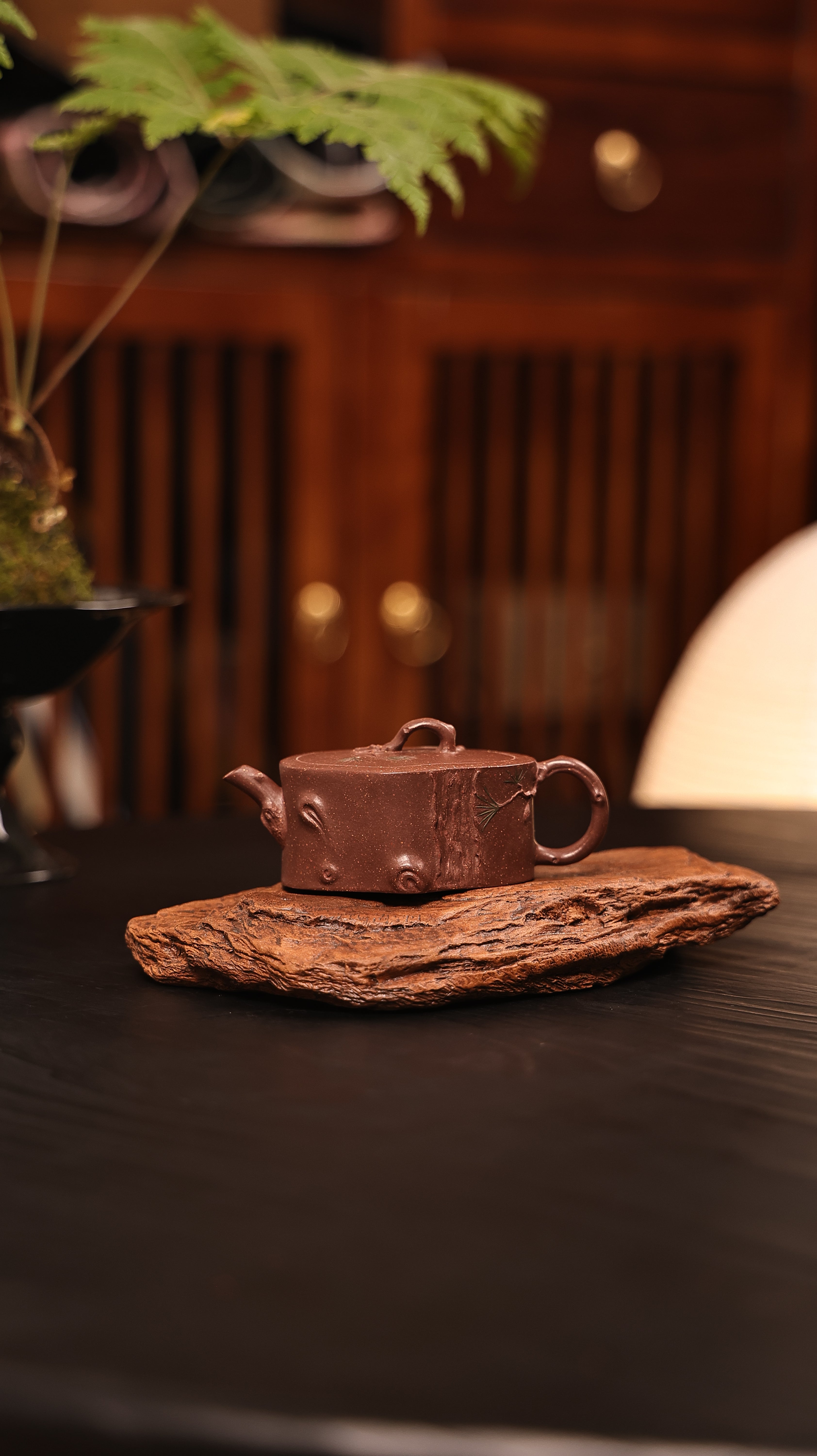
Ages of devotees have desired the singular beauty of Yixing Zisha containers. Hailing in the quaint town of Yixing, the state, these containers are produced from a uncommon and mined purple clay distinguished for its unmatched thermal characteristics and aptitude to boost the taste of potions. Besides their utilitarian importance, Zisha teapots represent a lasting customary background, causing them highly admired and a real gem for any zealous teapot collector.
Investigating Yixing Clay Pots
Classic teapots demonstrate a noteworthy synthesis of history and masterful craftsmanship. Coming in Yixing, Jiangsu Sector of China, their narrative extends to the Ming Dynasty, although indications suggest earlier models. The distinctive purple clay, called Zisha, found particularly in the Yixing region, is the essential component, contributing to the pots' impressive heat holding and the manner they impact the notes of tea. Periods of potters have mastered techniques—often handed over through families—including designing the clay, applying complex embellishments, and firing the pots at precise temperatures.- Initially, Yixing teapots were often ornamented with simple designs.
- Thereafter, more sophisticated carvings and expressive motifs became common.
- The oven firing itself is a pivotal element, requiring extended spans of knowledge.
Gathering Zisha Teapots: Necessary Considerations
Launching a mission to gather Zisha containers can be rewarding, but it’s vital to learn what to look for. Authenticity is essential; focus on the potter’s natural tint, a faint reddish-brown is common. Examine the quality; genuine Zisha has a exclusive tactile sensation, often portrayed as slightly grainy. The morphology should be aesthetically sound and consistent with time-honored styles, while seals, if present, require careful examination for validity. Don’t resist to consult with qualified collectors or trusted resources – their guidance is critical.
The Clay Pots: Investigating the History of renowned Zisha
Years have seen Yixing Purple Earth teapots possess a notable role in Chinese arts. These meticulously formed pots, sourced specifically from the region of Yixing, are renowned for their recognizable tone, surface, and their ability to develop the scent of decoctions. Scores of collectors collect antique Yixing teapots, admiring them extensively not only for their aesthetic magnificence, but also for the legacy they represent.
Yixing Zisha Teapots: A Finest Varieties and Their Features
Purple Clay teapots, originating from the Yixing area of Yixing, the land, are well-known for their uncommon clay and high-quality brewing aptitudes. Inside the several Zisha types, the varieties that are highly treasured include Baiwei. Binzhou, known for its vivid purple shade and soft texture, delivers a subtle flavor. This Duan Ni variety, recognizable by its orangish color and partially grainy feel, is assumed to enhance the weight. Lastly, Zhuni Zisha boasts an exceptional carmine tone and can give a sweet nuance. Each category grants a unique experience, making them distinctly desirable within beverage enthusiasts.
Perfecting Individual Clay Teapot
To reveal the power of your Yixing kettle, appreciating the correct system is key. These clay receptacles, celebrated for their filtering ability, will slowly embrace the core of the tea you brew within them. Begin by cleansing the vessel thoroughly with steaming water. Then, use only fine whole leaf tea, as lower quality options can weaken the vessel’s delicate nuance. Always permit the leaves to expand completely, and remember that with each steeping, your Yixing teapot will become gradually unique.
Sustaining Your Precious Zisha Collectible
Proper attention for your Zisha urn is vital to securing its character and esteem. Zisha clay, known for its unique cast and texture, requires attentive handling. Never use abrasive chemicals, as these can undermine the glaze. After every employing, rinse the kettle with moderate temperature water and allow it to dry completely.
- Eschew soaking the urn for extended times.
- Intermittently use a soft wiping cloth to polish the exterior.
- Deliberate applying a thin layer of food-grade mineral oil inside the pot after drying, which can limit staining.
Fundamentals of Yixing Kettles
Yixing teapots, originating from the Yixing locale in Jiangsu Province, the Chinese territory, are celebrated for their distinctive qualities. Produced from the unique purple material known as Zisha, these pitchers are prized by tea enthusiasts worldwide. This overview will succinctly explain the pillars – covering brands of Zisha earth, frequent shapes, and necessary care pointers. Understanding the genesis of Yixing clay pots can deepen your appreciation for this valued example of Sinic civilization.
Fabrication of Yuan Vessels: Spotlighting Zisha found in Yixing locality
Zisha substance from Yixing represents the pinnacle of Yuan vessel design, possessing a singular fusion of unprocessed beauty and utilitarian artistry. These distinguished pieces are acclaimed for their bold pigments, often including strong purples and copper hues to delicate greys and subtle beiges. The defining mineral composition of the exclusive-to-the-area Zisha substrate imparts a unique texture and delivers a pleasant aroma that heightens the whole drink experience, transforming them greatly prized collectibles and critical components of any serious brew.